
Introduction
In today’s competitive digital landscape, generating leads is only half the battle. The real challenge lies in nurturing those leads and converting them into paying customers. This is where email drip campaigns come into play.
Email drip campaigns are a powerful marketing strategy that delivers the right message to the right person at the right time—automatically. When executed correctly, they can build trust, educate prospects, and guide them smoothly through the sales funnel.
In this blog, we’ll explore what email drip campaigns are, how they work, and how you can use them to turn leads into loyal customers.
Email drip campaigns play a crucial role in modern digital marketing campaigns by nurturing leads effectively.
What is an Email Drip Campaign?
An email drip campaign is a series of automated emails sent to subscribers based on specific triggers or time intervals. These emails are “dripped” over time to nurture leads and move them closer to conversion.
Example:
- Day 1: Welcome email
- Day 3: Educational content
- Day 5: Product benefits
- Day 7: Offer or discount
Why Email Drip Campaigns Matter
1. Builds Relationships
Drip campaigns allow you to consistently communicate with your audience, helping you build trust and credibility over time.
2. Improves Conversion Rates
Instead of pushing for a sale immediately, drip campaigns guide users step-by-step, increasing the chances of conversion.
3. Saves Time with Automation
Once set up, campaigns run automatically, saving time while delivering consistent messaging.
Businesses using digital marketing services can automate communication and improve conversion rates significantly.
4. Personalized Experience
You can segment your audience and send tailored emails based on their behavior and interests.
Types of Email Drip Campaigns
1. Welcome Campaigns
Sent immediately after a user signs up. These emails introduce your brand and set expectations.
2. Lead Nurturing Campaigns
Designed to educate and build trust with potential customers over time.
Lead nurturing campaigns work best when combined with strong content marketing strategies.
3. Abandoned Cart Emails
Remind users about products they left behind and encourage them to complete the purchase.
4. Re-engagement Campaigns
Target inactive subscribers and bring them back with offers or fresh content.
5. Post-Purchase Campaigns
Used to retain customers, upsell products, or request reviews.
How Email Drip Campaigns Work
Step 1: Trigger
A user action starts the campaign, such as:
- Signing up for a newsletter
- Downloading an ebook
- Adding items to a cart
Step 2: Workflow Setup
You create a sequence of emails with defined timing and conditions.
Step 3: Segmentation
Divide your audience based on behavior, demographics, or interests.
Step 4: Automation
Emails are sent automatically based on triggers and schedules.
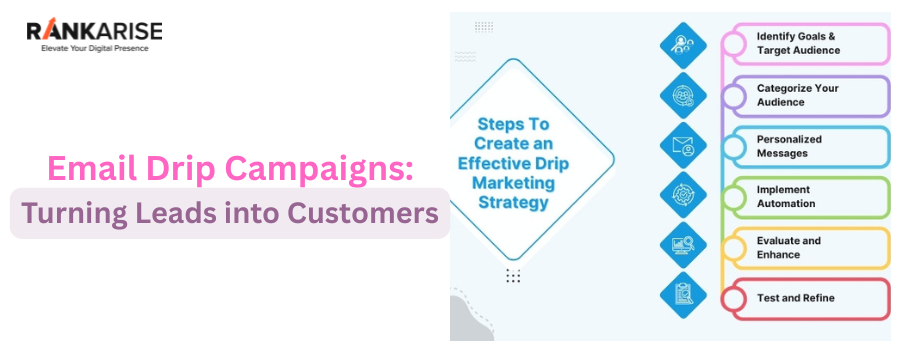
Creating an Effective Email Drip Campaign
1. Define Your Goal
Decide what you want to achieve:
- Generate sales
- Increase engagement
- Educate users
2. Know Your Audience
Understand your audience’s needs, pain points, and preferences.
3. Craft Valuable Content
Each email should provide value:
- Tips and insights
- Solutions to problems
- Product benefits
4. Write Engaging Subject Lines
Your subject line determines whether the email gets opened.
Examples:
- “Welcome! Here’s what you can expect”
- “Still thinking? Here’s something for you”
5. Add Clear Call-to-Actions (CTA)
Guide users on what to do next:
- “Download Now”
- “Shop Now”
- “Learn More”
6. Optimize Timing
Avoid sending too many emails too quickly. Space them out strategically.
Best Practices for Success
Personalization
Use the recipient’s name and tailor content based on behavior.
Mobile Optimization
Ensure emails look great on mobile devices.
A/B Testing
Test subject lines, content, and CTAs to improve performance.
Monitor Performance
Track key metrics:
- Open rate
- Click-through rate (CTR)
- Conversion rate
Common Mistakes to Avoid
- Sending too many emails
- Lack of personalization
- Ignoring audience segmentation
- Weak or unclear CTAs
- Not analyzing performance
Example of a Simple Drip Campaign
Target: New Subscribers
- Email 1 (Day 1): Welcome + Brand Introduction
- Email 2 (Day 3): Helpful Blog or Resource
- Email 3 (Day 5): Product/Service Benefits
- Email 4 (Day 7): Customer Testimonials
- Email 5 (Day 10): Special Offer or Discount
Tools for Email Drip Campaigns
Popular tools you can use:
- Mailchimp
- HubSpot
- ActiveCampaign
- ConvertKit
These platforms help you automate workflows, segment audiences, and track performance.
Conclusion
Email drip campaigns are one of the most effective ways to nurture leads and turn them into customers. By delivering relevant, timely, and personalized content, you can build trust, guide decision-making, and ultimately increase conversions.
If you’re not using drip campaigns yet, now is the perfect time to start. With the right strategy and consistent optimization, email marketing can become one of your highest ROI channels.
FAQs
1. How many emails should be in a drip campaign?
Typically, 4–10 emails work well depending on your goal and audience.
2. How often should emails be sent?
Spacing emails 2–4 days apart is generally effective.
3. Are drip campaigns suitable for small businesses?
Yes, they are cost-effective and scalable for businesses of all sizes.
4. What is the main goal of a drip campaign?
To nurture leads and guide them toward conversion over time.