
Introduction
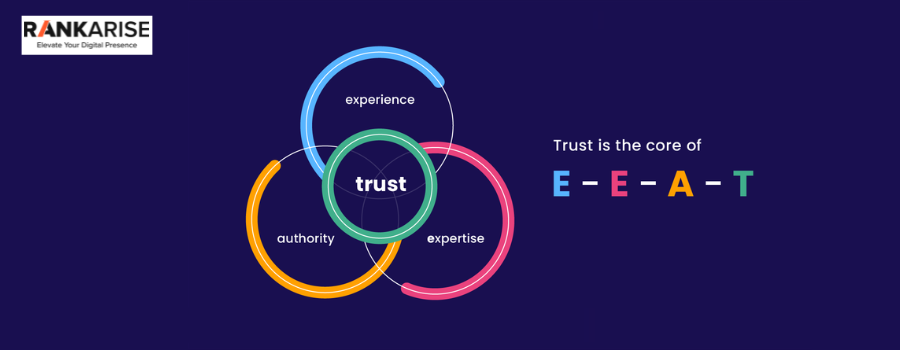
In 2026, SEO is no longer just about keywords and backlinks—it’s about trust. That’s where E-E-A-T comes in. Originally introduced by Google, E-E-A-T stands for Experience, Expertise, Authoritativeness, and Trustworthiness. It plays a crucial role in how content is evaluated and ranked, especially in AI-driven search environments like AI Overviews and conversational search.
If you want your website to rank—not just in traditional search but also in AI platforms—understanding and implementing E-E-A-T is essential.
What is E-E-A-T?
E-E-A-T is part of Google’s Search Quality Evaluator Guidelines. It helps assess the credibility and value of content.
1. Experience
Does the content creator have first-hand experience?
Example: A real user review, case study, or personal insights.
2. Expertise
Does the author have knowledge or skills in the topic?
Example: A certified SEO expert writing about search algorithms.
3. Authoritativeness
Is the website or author recognized as a trusted source? One of the most effective ways to build this is through topical authority and content clusters
Example: Being cited by industry leaders or high-quality backlinks.
4. Trustworthiness
Is the content accurate, safe, and reliable? Additionally, implementing llms.txt for AI search optimization helps AI systems better understand and trust your content.
Example: HTTPS site, transparent author info, and verified facts.
Why E-E-A-T Matters in 2026
Search is evolving fast with AI. Platforms like Google Search, ChatGPT, and Perplexity AI prioritize credible and helpful content.
Key Reasons:
- AI models prefer trusted sources
- Fake or low-quality content is filtered out
- Users demand authentic, human-first content
- Google’s Helpful Content System is stricter than ever
E-E-A-T vs E-A-T: What Changed?
Earlier, Google used E-A-T (Expertise, Authoritativeness, Trustworthiness).
Now, Experience has been added.
Why “Experience” Matters:
- Real-world usage builds trust
- First-hand insights beat generic AI content
- Google wants content written by people, for people
How to Improve E-E-A-T for Your Website
1. Show Real Experience
- Add case studies and real examples
- Include screenshots, results, or personal insights
- Share success/failure stories
2. Build Author Credibility
- Add author bios with qualifications
- Link to social profiles (LinkedIn, etc.)
- Highlight achievements and certifications
3. Create High-Quality Content
- Focus on depth, accuracy, and originality
- Avoid thin or AI-generated generic content
- Update content regularly
4. Earn Authority Signals
- Get backlinks from high-authority websites
- Mention trusted sources
- Collaborate with industry experts
5. Improve Website Trust
- Use HTTPS
- Add clear contact information
- Include privacy policy and terms
- Display reviews and testimonials
E-E-A-T for Different Niches
1. YMYL (Your Money or Your Life) Websites
These include finance, health, legal, etc.
- Require high E-E-A-T
- Content must be written by professionals
2. Blogs & Content Sites
- Focus on personal experience
- Build niche authority
3. E-commerce Websites
- Add product reviews and ratings
- Show real customer feedback
- Include detailed product descriptions
E-E-A-T and AI Search Optimization (AISO)
In 2026, ranking is not limited to Google. AI tools like Gemini and Perplexity AI extract answers directly from content.
To Optimize for AI:
- Use clear and structured content
- Add FAQ sections
- Provide concise answers
- Use schema markup
- Focus on trust signals
Common E-E-A-T Mistakes to Avoid
- Publishing low-quality AI content without editing
- No author information
- Fake reviews or misleading claims
- Lack of citations or sources
- Ignoring user intent
Future of E-E-A-T
E-E-A-T will become even more important as AI evolves. Search engines will:
- Prioritize human experience over automation
- Detect authenticity more accurately
- Reward brands with strong credibility
Conclusion
E-E-A-T is not just a ranking factor—it’s the foundation of modern SEO in 2026. Whether you’re running a blog, business website, or eCommerce store, focusing on experience, expertise, authority, and trust will help you succeed in both traditional and AI-driven search.